Melbourne · Sydney · Manila · Dhaka
Sohail Hasnie
I develop and finance clean energy and electric mobility projects in the Asian markets most funders find hardest to underwrite. Nearly four decades in the energy sector, twenty-two of them inside a development bank deciding which projects got built.
Seven things occupy my time. Here they are.
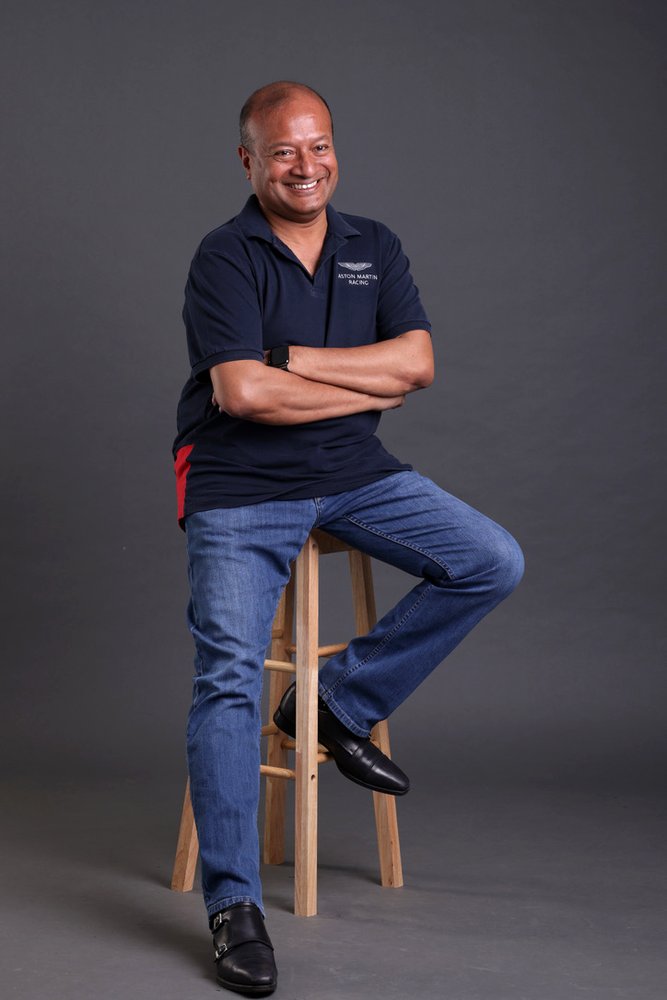
Right now
What I am working on now
Most of my time goes to two things. The first is raising expansion capital for a battery-swapping network serving electric three-wheelers in South Asia — the business of getting finance to drivers and fleet operators that no bank will currently lend to. The second is a rooftop solar programme in Bangladesh, where a pilot is financed and generating, and the work now is structuring the portfolio behind it so development banks and commercial lenders can fund it at scale.
Both are the same problem in different clothing. The technology is proven and the capital exists; what is missing is the structuring that turns a scattered set of small assets into something a credit committee will approve. That is the work I am most useful at, and it is what Energypreneurs Advisory and Second Life Mobility were built to do.
Energypreneurs Advisory
Taking clean energy projects from concept to financial close across Bangladesh, the Philippines and Central Asia. A small management team and a network of twenty-one senior advisors resident in the markets they cover.
energypreneurs.org → The ventureSecond Life Mobility
Converting the Philippine jeepney fleet to certified electric drive at a third to half the cost of replacement, paid for out of the diesel it stops burning. The vehicle body outlives its engine — conversion captures what's left.
Read the programme → The podcastEnergypreneurs
340+ conversations with the founders, financiers, engineers and officials actually delivering Australasia's energy transition. Targeting 400 by the end of 2026. Also where I talk about what I'm building, and speaking engagements.
Every episode → The roomSpeaking & Toastmasters
Thirty-eight years of explaining complicated things to people who did not have to listen — ministers, boards, village meetings. Toastmasters, motivational and general speaking here; keynotes and commercial engagements through the firm.
More ↓ The published workWriting and film
Ten years on the Asian Development Bank blog — off-grid solar, batteries after solar, swapping instead of charging, conversion instead of replacement. Plus the field films: inside a running turbine, off-grid installs in Tajikistan, the first forty e-trikes on a Manila street. Everything the advisory firm now does was argued here first.
Read and watch ↓ The other thingPhotography
Fifty years of carrying a camera through the places the work has taken me — portraits, travel, Australia, and the events worth remembering. Nearly three thousand photographs.
See the galleries → Where this startedGIY Hydroponics
My first venture. Hydroponic systems designed, built and run — the food-miles argument tested at household, restaurant and resort scale. Not trading today; the capability and the systems knowledge are intact.
The whole story →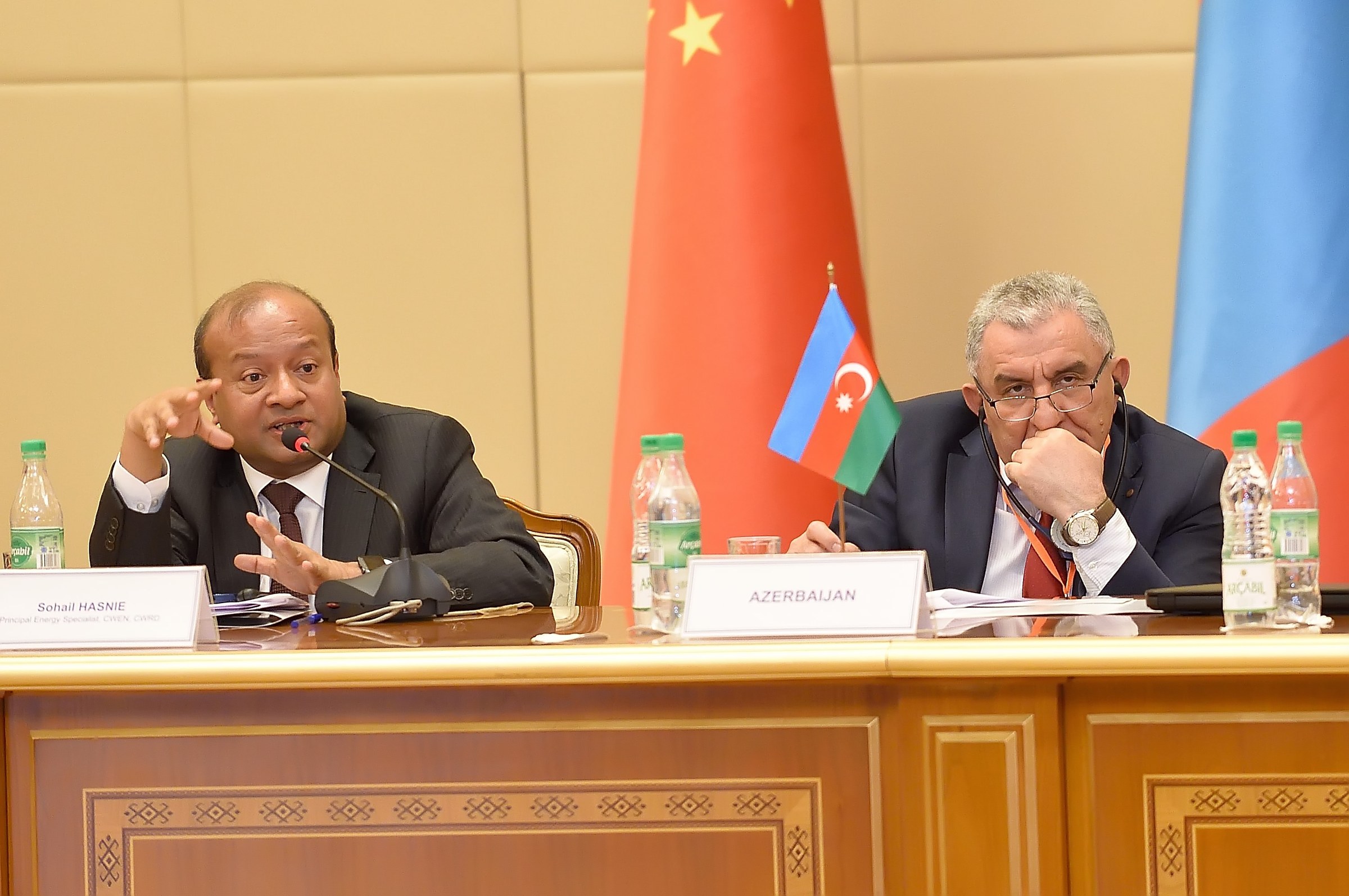
The short version
I started in the energy sector in 1988 at the State Electricity Commission of Victoria, then spent four years as Manager Pricing at Victoria's Office of the Regulator-General — now the Essential Services Commission — through the privatisation of the Australian energy market, assessing tariff submissions and helping write the wholesale market rules.
From 2001 to 2022 I was at the Asian Development Bank, latterly as Principal Energy Specialist. I led projects from concept through approval to implementation worth more than US$1.5 billion, and ran an average annual portfolio of around US$600 million as team leader. Among them were several ADB firsts: the first solar project (Mongolia, 2001), the first energy efficiency project (Philippines, 2008), the first cross-border interconnection (Indonesia–Malaysia), the first public sector electric vehicle project anywhere (Philippines, US$500 million, 2012), and ADB's first energy project in Turkmenistan (2018, US$500 million).
I founded the CAREC Electricity Regulators Forum in 2005 and advised on establishing China's electricity regulator. Then I moved to the developer's side of the same table, which is where the interesting problems are.
Most of what I do now comes down to one question: why do obviously sensible energy projects in Asia fail to get funded, and what has to change for them to succeed? Usually the answer isn't the technology.
Writing
I argued all of this in public first
I wrote for the Asian Development Bank's blog through the years I was inside it. Read them in order and the advisory firm's whole thesis is already there — off-grid solar for households the grid will not reach for a decade, batteries only after solar, swapping instead of charging, conversion instead of replacement. I am now building the things I was writing about.
- Off-grid solar Electricity in a Box: Looking Back at Our Off-Grid Journey
- Off-grid solar How the Unelectrified Poor Can Leapfrog to Off-Grid Solar
- Storage Got Solar? Now Add Batteries
- Electric mobility Battery Swapping Can Propel India’s Electric Car Revolution
- Electric mobility How the Kyrgyz Republic Can Become Central Asia’s Electric Vehicle Hub
- Generation Game-Changer: Can Solar Energy be Generated in Old Gas Power Plants?
- Efficiency Watching Invisible Energy Loss – Yes It’s Possible
- Outlook Clean Energy Predictions for 2018 – And Why I was Wrong About 2017
- Rural economy How the Gig Economy Can Transform Farms in the Developing World
- Technology Power Walking: Turn Each Step into Clean Energy
Video
Short films from the work
Shot on site, mostly between 2015 and 2018 — inside a running turbine, off-grid installations in Tajikistan, floating solar in Korea, an e-trike assembly line in Manila. Watch them in sequence and you are watching someone work out, on camera, what he would later go and build.
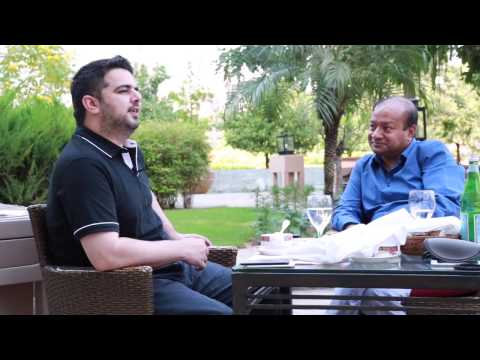 Second-life batteries for off-grid solar
2:57 · the Second Life Mobility argument, nine years before the company
Second-life batteries for off-grid solar
2:57 · the Second Life Mobility argument, nine years before the company
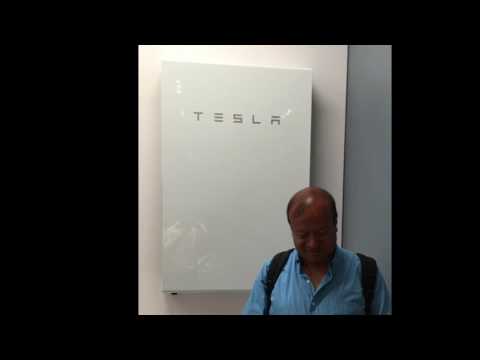 Tesla's Powerwall 2, and Electricity in a Box
0:43 · the same idea at two very different price points
Tesla's Powerwall 2, and Electricity in a Box
0:43 · the same idea at two very different price points
 Inside the running turbine
0:25 · hydropower rehabilitation, from inside the machine hall
Inside the running turbine
0:25 · hydropower rehabilitation, from inside the machine hall
 Off-grid in Tajikistan
2:23 · the market the 60 MWp programme is now aimed at
Off-grid in Tajikistan
2:23 · the market the 60 MWp programme is now aimed at
 Electric vehicles for the base of the pyramid
1:05 · on the e-trike line — who actually buys these
Electric vehicles for the base of the pyramid
1:05 · on the e-trike line — who actually buys these
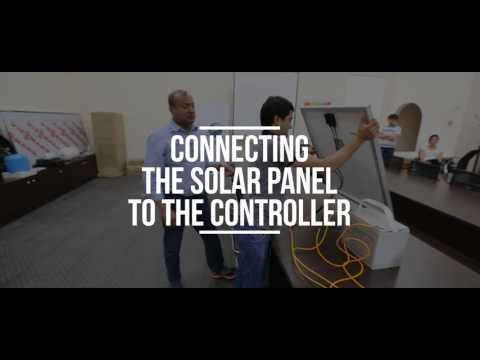 How to put together a solar system
9:00 · panel to controller to battery, start to finish
How to put together a solar system
9:00 · panel to controller to battery, start to finish
 Electric bus in Sydney
2:27 · groundwork for the EDSA bus pilot in Manila
Electric bus in Sydney
2:27 · groundwork for the EDSA bus pilot in Manila
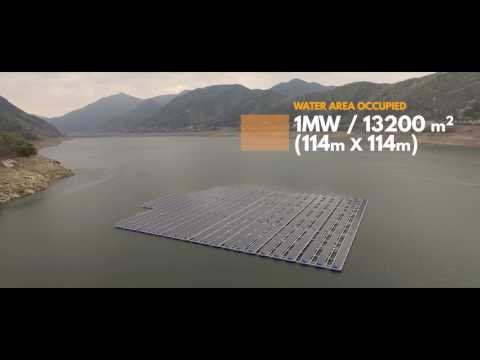 Floating solar in Korea
1:06 · one megawatt on 13,200 square metres of reservoir
Floating solar in Korea
1:06 · one megawatt on 13,200 square metres of reservoir
 Coal heating in a Kyrgyz winter
1:02 · inside a yurt, asking whether twelve-volt DC could replace the coal stove — the question that became the home battery work
Coal heating in a Kyrgyz winter
1:02 · inside a yurt, asking whether twelve-volt DC could replace the coal stove — the question that became the home battery work
 First 40 e-trikes in Manila City
0:43 · January 2018 — the US$500 million programme finally reaching the street
First 40 e-trikes in Manila City
0:43 · January 2018 — the US$500 million programme finally reaching the street
The podcast
Three hundred and forty conversations, and counting
I started Energypreneurs in the first Covid lockdown, for a straightforward reason: the markets I work in move faster than any research subscription can track, and the only reliable way to know what is actually happening is to ask the person doing it.
Founders raising a first round. Financiers deciding what gets funded. Engineers who have to make it work on the ground, and the officials who have to approve it. Thirty minutes, recorded remotely, no script. Every Friday there is also the Briefing — one argument at a time, put plainly enough to disagree with.
The full archive is searchable by guest, country or technology — battery swapping, Bangladesh, floating solar, tariffs.
Also on Spotify and Apple Podcasts. If you are building something in this sector and want to come on, write to podcast@energypreneurs.org.
Speaking
Two different rooms
Most of my working life has been spent explaining something complicated to people who were under no obligation to listen — a minister, an investment committee, a village meeting, a board chaired by a head of state. That is a craft, and it is separate from whatever technical thing I happened to be explaining.
Here — the craft
Toastmasters, motivational and general speaking. I joined a Toastmasters meeting in the Kyrgyz Republic and they put it on their site; the video is on my channel. This is the side that is about how you hold a room, not about megawatts.
Through the firm — the work
Keynotes, conference panels, expert briefings and commissioned commercial engagements run through Energypreneurs Advisory, alongside the record of where I have spoken and on what.
I speak on energy transition finance, electric mobility in emerging markets, and what actually determines whether a clean energy project gets built rather than merely approved. Most useful to audiences that include funders, project sponsors or policy decision-makers.
Enquiries: shasnie@energypreneurs.org
The other thing
Photography
Fifty years of carrying a camera — my mother's Agfa, then a Zenit TTL in 1977. Two diplomatic photobooks for the Australian Embassy in Manila — Australia: Land, Life & Light and a companion volume on flora and fauna — and a continuing habit of photographing the places the energy work takes me.
This is the part of my work that is not a business, and I intend to keep it that way. Nothing is for sale online.
Prints, exhibitions and project work happen by conversation, not by shopping cart. I do not photograph weddings or corporate events.
Where this started
GIY Hydroponics
My first venture. The premise was food miles: a meaningful share of what a household eats arrives by truck, and growing closer to where people live is one of the few climate levers available at the individual scale. We designed, built and ran hydroponic systems, learned what breaks at each size, and proved the model through several rounds of experimentation and scaling.
It is not trading today. The capability and the systems knowledge are intact, and it is ready to scale to a national programme if the right partner or policy window makes that worth doing.
Engagements
Working together
Project development and financing runs through Energypreneurs Advisory. If you have a project that has stalled on the funding route, that is the door.
I take on a small number of engagements personally each year:
- Independent review of a project, feasibility study or financial model, for boards, sponsors and lenders who want a second opinion from someone who has both built these projects and appraised them.
- Board and investment committee advisory on energy and mobility investments in South and Southeast Asia.
- Expert input on development finance process — what a credit committee will ask, and why projects stall between approval and delivery.
These are scoped tightly and priced accordingly. I no longer take open-ended consulting or scoping studies.
Get in touch
Project enquiries, speaking invitations, podcast guest proposals, or an exhibition or print enquiry — all fine.